What is cereulide toxin and how has it triggered a global Nestlé baby formula recall
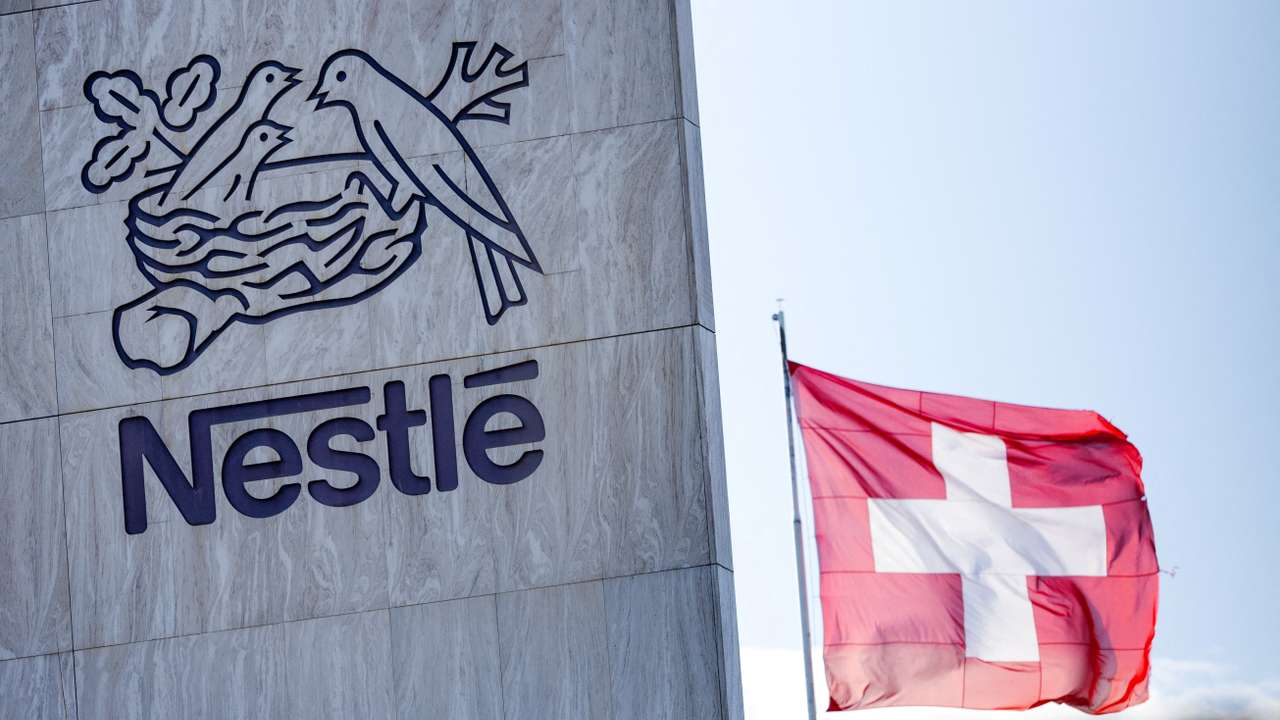
Nestlé has recalled batches of its infant formula in more than 30 countries after food safety authorities raised concerns about possible contamination with cereulide toxin, a substance that can cause sudden vomiting and other serious symptoms, especially in babies.
The recall affects several popular brands, including NAN, BEBA, SMA and Alfamino, and has prompted health alerts across Europe, Africa, Asia and the Americas. While no illnesses have been confirmed so far, regulators say the action is a precaution aimed at protecting infants, who are particularly vulnerable to foodborne toxins.
What is cereulide?
Cereulide is a toxin produced by certain strains of the bacterium Bacillus cereus. Unlike many bacteria, cereulide is heat-stable, meaning it can survive cooking, pasteurisation and reheating.
Once ingested, the toxin can trigger symptoms such as nausea, vomiting, stomach cramps and diarrhoea, often within 30 minutes to six hours. In most healthy adults, symptoms usually pass within a day, but infants, young children and people with weakened immune systems face a higher risk of complications.
Why is it a concern in infant formula?
Infant formula is tightly regulated because babies rely on it as a primary source of nutrition. Even low levels of contamination can pose health risks, particularly because infants’ bodies are still developing.
There are currently no international standards setting an acceptable limit for cereulide in food, including baby formula. As a result, authorities often act cautiously when there is any indication the toxin could be present.
In this case, Nestlé said a “quality issue” was detected in an ingredient sourced from one of its major suppliers, prompting the company to recall affected batches as a preventive measure.
How widespread is the recall?
Health agencies in at least 37 countries have issued warnings or recalls linked to the affected products. Several of the recalled formulas were manufactured in Switzerland and distributed globally.
Some countries, including Singapore, have ordered a temporary stop to the sale of specific batches while investigations are ongoing. Nestlé has said that products in certain markets have been tested as safe, but regulators are continuing independent checks.
Are babies known to have fallen ill?
So far, no confirmed cases of illness linked to the recalled Nestlé infant formulas have been reported, according to health authorities.
However, parents and caregivers have been advised not to use the affected products as a precaution. Anyone whose child has consumed the formula and shows symptoms such as vomiting or diarrhoea is urged to seek medical advice promptly.
This story is written and edited by the Global South World team, you can contact us here.