Why are Global South countries banning vapes?
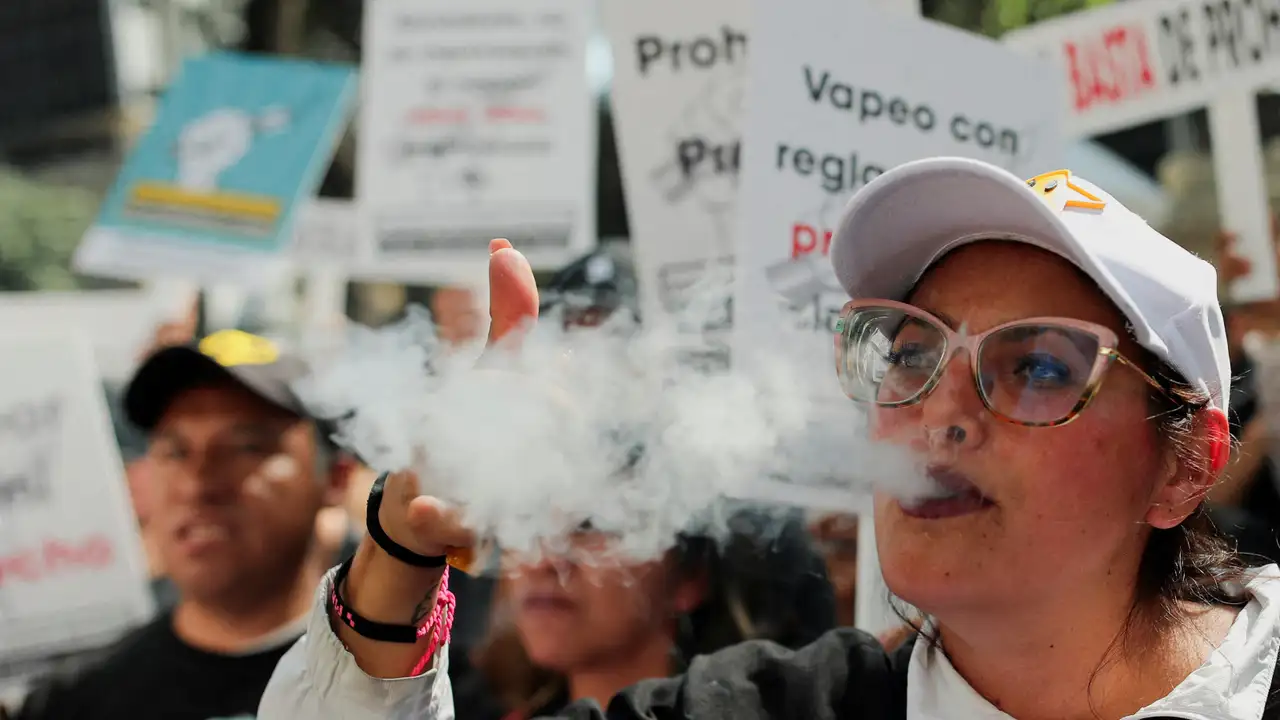
Countries across the Global South are increasingly moving to ban e-cigarettes and vaping products, citing growing concerns over public health and youth addiction.
According to data from Ecigator, at least 44 nations worldwide, many in Asia, Africa, and Latin America, have implemented full or partial bans on these products, highlighting a regional trend towards stricter regulation.
Health authorities point to the uncertain long-term effects of inhaling e-liquids as a major factor behind these bans. Chemicals in vape liquids, including nicotine and other additives, have been linked to potential respiratory and cardiovascular issues. Governments are also concerned about the rising prevalence of vaping among young people, who may develop nicotine dependence early and transition to conventional smoking.
In addition to physical health, mental health risks have become a key concern. In Malaysia, for example, authorities have reported cases of drug-induced psychosis linked to adulterated vape liquids and synthetic substances. These incidents prompted the Health Ministry to establish a task force to monitor and address potential health crises associated with vaping.
Regulatory approaches differ across countries, but the overall aim is consistent: to protect public health and prevent addiction. Some governments have enacted total bans, prohibiting sales, imports, and marketing entirely. Others have introduced partial restrictions, such as limiting sales to minors or banning online advertising. These measures reflect a cautious approach in regions where healthcare systems may struggle to manage the long-term consequences of widespread vaping.
Malaysia is preparing one of the most comprehensive bans in the region. The government has announced plans to implement a nationwide prohibition on e-cigarettes by mid-2026, pending final legislative approval. Officials describe the decision as inevitable, framing it as a continuation of public health policy rather than a sudden intervention.
Medical organisations in the region have generally supported these measures. In Malaysia, the Malaysian Medical Association has backed the upcoming ban, highlighting the need for preventive action rather than reactive treatment of health crises. Across the Global South, similar reasoning underpins decisions to regulate or prohibit vaping.
The shift reflects a broader recognition that public health, particularly among vulnerable populations such as youth, must take priority over commercial interests. As more countries in the Global South move to restrict or ban e-cigarettes, they signal a commitment to preventing nicotine addiction and safeguarding both physical and mental health in the face of emerging global vaping trends.
This story is written and edited by the Global South World team, you can contact us here.