Why Bolivia’s government ended decades of fuel subsidies
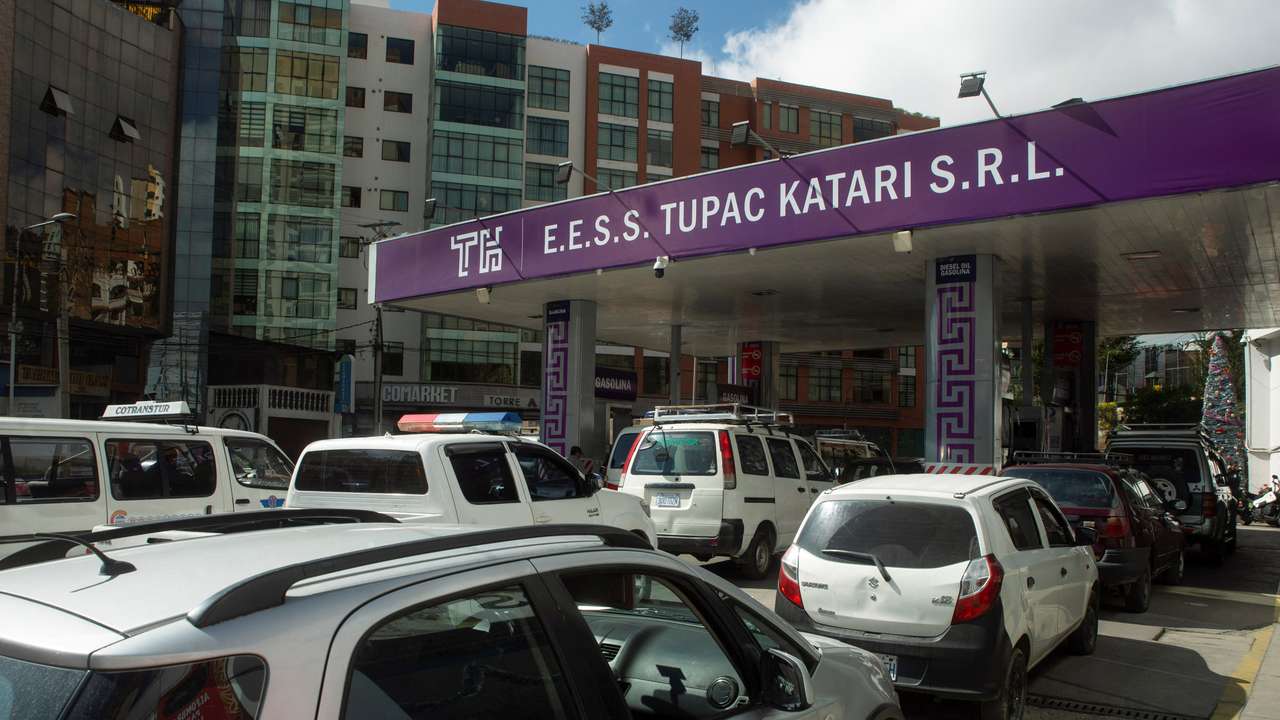
Bolivia’s president, Rodrigo Paz, has eliminated long-standing fuel subsidies that kept petrol and diesel prices fixed for more than 20 years, triggering immediate public reaction and sparking debate about the country’s economic future.
The measure, announced by decree, forms part of a broader package of reforms that Paz’s government has framed as necessary to confront deep fiscal imbalances and stabilise the national economy.
The removal of subsidies, which until now kept fuel well below international market costs, will result in sharp increases in gasoline and diesel prices. Under the new regime, the cost of petrol and diesel is expected to rise substantially, with diesel climbing more than 160 per cent and petrol nearly doubling in price. At the same time, the government said it would maintain the price of liquefied petroleum gas to protect household budgets.
Paz described the elimination of fuel subsidies as part of an “economic and social emergency” and insisted the move does not mean abandonment of social commitments, but rather “order, justice and transparent redistribution” of resources. He also announced a 20 per cent increase in the national minimum wage and expanded social support measures intended, officials say, to cushion the impact on vulnerable groups.
The decision has drawn both support and criticism domestically. Some sectors welcomed the end of costly subsidies that drained the state coffers, which previously amounted to several billion dollars annually and argued the move could help reduce fiscal deficits and encourage private sector participation in fuel supply. Others, including labour groups and transport unions, have expressed strong opposition, staging demonstrations and strikes in major cities such as La Paz and Santa Cruz, as the higher fuel costs quickly rippled through public transport and other key services.
Internationally, Bolivia’s policy shift is being watched as part of a wider pattern in Latin America, where countries are grappling with the legacy of long-standing subsidies amid economic pressures including inflation, dollar shortages and budget deficits. For foreign investors and regional partners, the reforms signal a significant break with the previous two decades of fixed fuel pricing and a move towards market-oriented adjustments aimed at restoring fiscal health.
This story is written and edited by the Global South World team, you can contact us here.