Why Cape Verdeans may now need up to $15,000 to visit the US
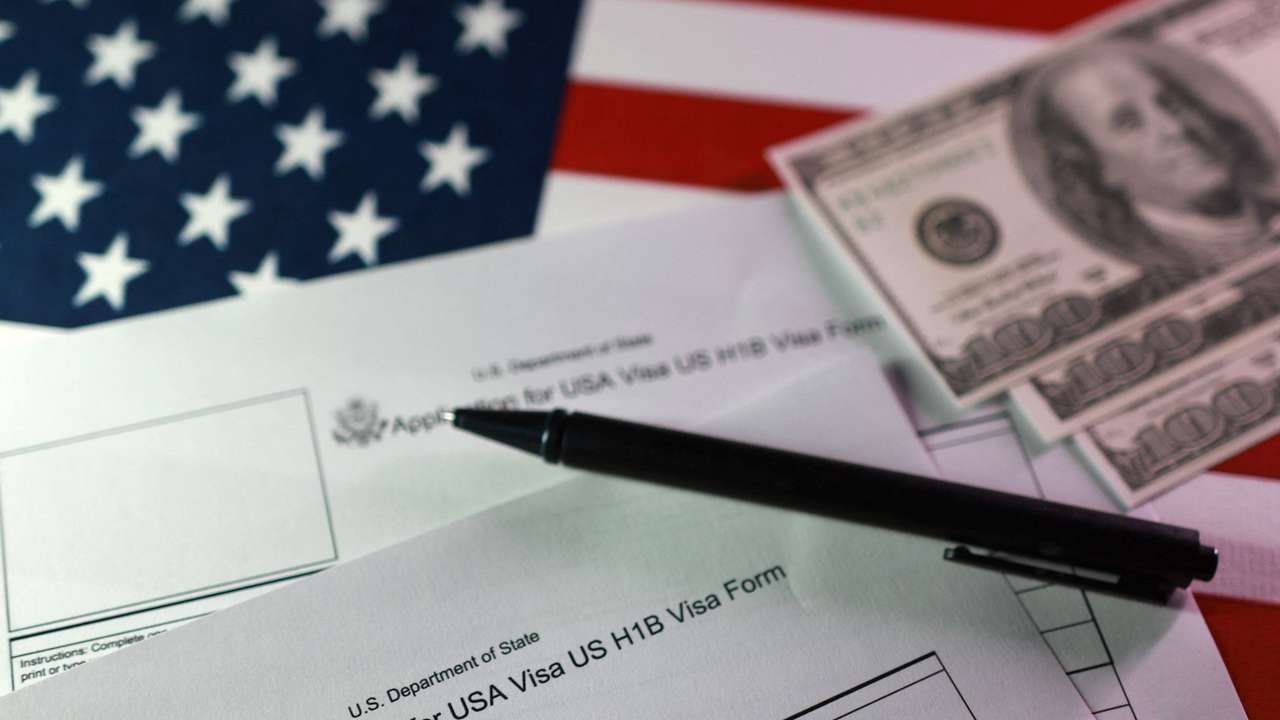
Cape Verdeans applying for short-term tourist and business visas to the United States may now be required to pay a security deposit of up to $15,000, following a new policy announced by the US Embassy in Praia.
The measure, which takes effect on the 21st of this month, places Cape Verde under the US Visa Bond, or Visa Endorsement, Program. The scheme allows US authorities to require certain visa applicants to post a refundable bond as a guarantee that they will leave the country before their authorised stay expires.
Under the new rule, Cape Verdean passport holders applying for B1/B2 visas used for tourism and business travel may be asked to pay a deposit. The exact amount will be decided on a case-by-case basis by a consular officer during the visa interview and will not apply uniformly to all applicants.
US officials say the money will be fully refunded if the traveller complies with visa conditions and departs the United States on time. The embassy has stressed that applicants should not make any payments unless formally instructed by a consular officer after their interview, warning against potential scams.
The embassy also clarified that B1/B2 visas issued before the policy takes effect will remain valid and will not be affected by the new requirement.
The Visa Bond Program is used by the United States to discourage visa overstays and strengthen compliance with immigration rules. While the embassy did not explain why Cape Verde was added, such measures are typically introduced when US authorities believe additional guarantees are needed to ensure temporary visitors return home.
Cape Verde ranked among the countries with the highest levels of irregular immigration to the United States in 2023, according to a report by the Centre for Immigration Studies citing data from U.S. Customs and Border Protection. The report found that 12.8% of Cape Verdeans who entered the US on tourist or business visas overstayed, while the overstay rate for student and exchange visa holders was even higher, at 25.7%.
This story is written and edited by the Global South World team, you can contact us here.