Why growing numbers of South African women believe carrying a gun is their only protection
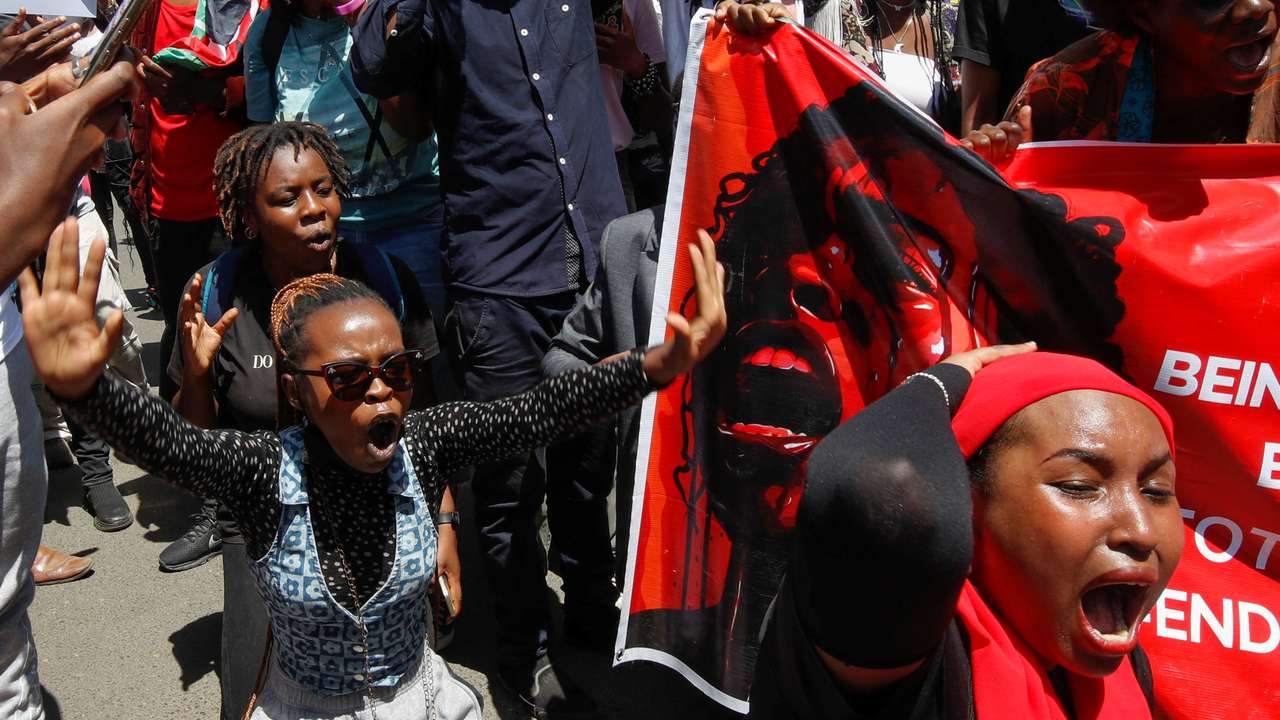
In South Africa, gender-based violence (GBV) is not just a social ill, for many women, it's a daily reality and a constant threat.
According to the Human Science Research Council (HSRC), more than 33% of South African women have experienced physical violence in their lifetimes, and around 9.8% have suffered sexual violence. They represent millions of women living with fear in their own homes and communities.
On 21 November, women in South Africa will be staging silent protests and intend to halt economic activity for 15 minutes because of what they say is government failure to tackle the issue and asking it to be declared a "national disaster".
Amid this backdrop of violence and what some describe as institutional failure, a growing number of women are choosing to arm themselves as a form of self-protection. One of the most visible expressions of this trend is Girls On Fire, a training initiative founded by Gun Owners South Africa (GOSA).
Since it started around 2015, thousands of women have gone through its firearm-introduction sessions. These trainings don’t just teach how to shoot, they emphasise legal knowledge, situational awareness, how to carry a weapon safely, and how to think deliberately about when and why to use it.
For many of these women, the decision to own or train with a gun comes from a painful place, the belief that the police are overstretched or slow to respond, and that attackers often strike when law enforcement is nowhere in sight.
As one instructor put it, “a firearm, coupled with the right mindset, is one way that a woman can protect herself effectively from someone bigger, stronger … or several such miscreants.”
While some see it as empowerment, others warn it’s a dangerous gamble. Crime- and gender-justice analysts point to the risks of firearms in households, especially in intimate partner scenarios.
Research shows that legal guns are frequently used in femicides, lethal killings of women by their partners. There’s also data linking legal gun ownership to intimate femicide-suicide, where the perpetrator kills a partner and then themselves.
As more women apply for gun licenses, the risk associated with licensed firearms remains alarmingly high. A recent policy briefing found a correlation between increased gun licensing and a rise in gun-related femicides, noting that over the past several years, tens of thousands of legally owned firearms have entered civilian hands.
Despite existing policies and national strategies, the reality on the ground suggests that many women feel they cannot rely on the system for protection. The National Strategic Plan on GBV, for instance, includes pillars for prevention, justice, and survivor support, but the persistent violence and high femicide rates show how far there is to go.
This story is written and edited by the Global South World team, you can contact us here.