Why ‘sex-selective abortion’ is a problem in Nepal
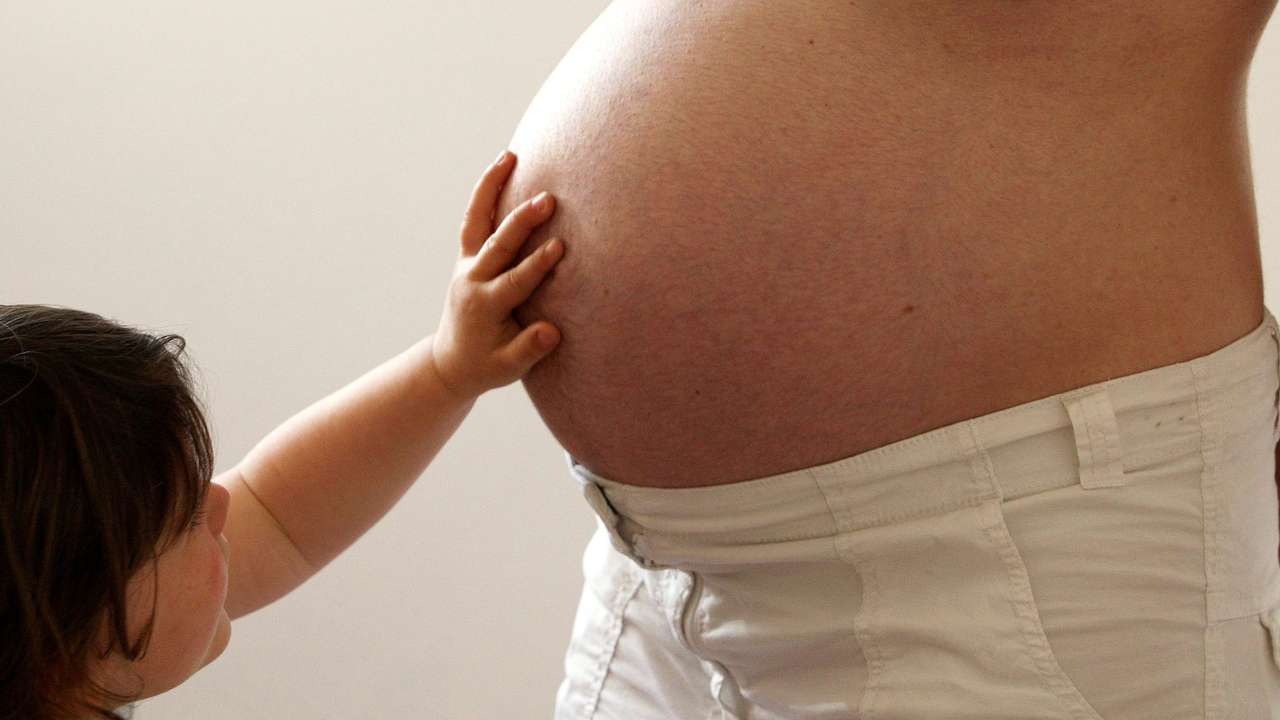
Nepal is facing a growing imbalance between boys and girls at birth, reviving concerns over the continued practice of sex-selective abortion despite it being illegal.
The issue drew renewed attention after the Ministry of Health and Population warned the public that sex-selective abortion is a punishable crime.
This advisory followed data showing that the gap between male and female births has widened year after year.
From 2024 to 2025, Nepal recorded 206,374 male births and 176,831 female births, resulting in a difference of nearly 30,000, which experts said falls well below the natural birth ratio of approximately 105 boys for every 100 girls.
The imbalance is sharper in some provinces. Sudurpaschim and Madhesh recorded male-to-female birth gaps of more than 24%, the highest in the country, suggesting that sex selection before birth is widespread.
“We are headed towards disaster,” said Dr. Uddhab Puri, associate professor at the Tribhuvan University, who has carried out multiple research studies on the birth rate in Nepal. “If we fail to check sex-selective abortions, this trend could lead to long-term social and demographic consequences.”
The practice is not limited to rural or less educated areas. Studies show high disparities in cities and districts near the Indian border, where access to ultrasound services and foetal sex identification is easier.
Doctors said many families now want only one child because of rising living costs and later marriages. If the first child is a daughter, some parents try to determine the sex of the next pregnancy and abort it if it is female.
Both fetal sex identification and sex-selective abortion are banned under Nepal’s criminal law, with penalties of up to five years in prison and fines. Yet, no one has been convicted, indicating weak enforcement.
Abortion was legalised in Nepal in 2002, in a move regarded as a major step in protecting women’s health and rights. But experts warn that unless son preference and enforcement gaps are addressed, the country risks a long-term gender imbalance with serious social costs.
This story is written and edited by the Global South World team, you can contact us here.