Why the mental health stats of Indonesia's capital don’t match its global happiness ranking
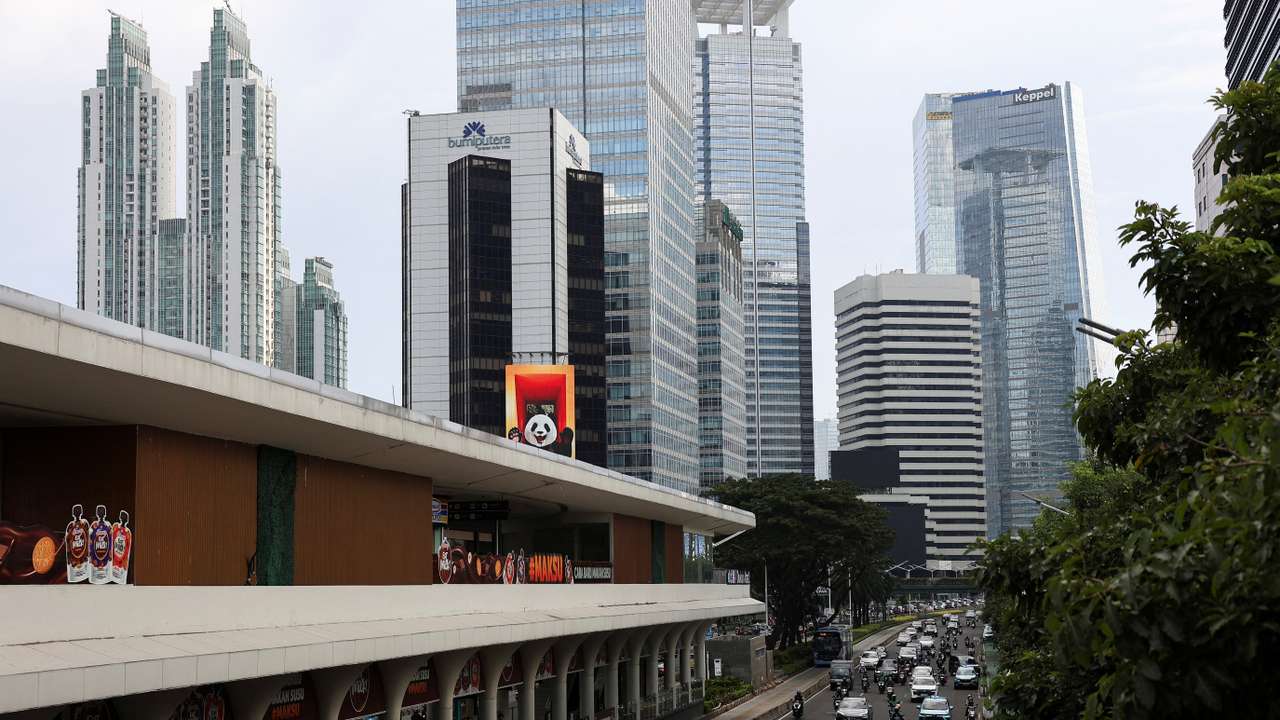
Indonesia's capital, Jakarta, was recently named the 18th happiest city in the world, in a global survey, but new government data suggests an inconsistent statistic regarding the happiness index.
According to the Ministry of Health, 1.5% of Jakarta residents aged 15 and above experience depression, slightly higher than the national average of 1.4%. Other mental-health disorders also rank as the second most common health condition in Indonesia, with 2.2% of Jakarta’s population affected, again above the national average of 2%.
These figures appear to contrast with Jakarta’s placement in a Time Out survey, in which the London-based lifestyle publication interviewed more than 18,000 residents worldwide for its report, “The Happiest Cities in the World 2025.” Jakarta ranked 18th globally and was celebrated for its food scene, culture, and social vibrancy.
But Jakarta’s Deputy Governor Rano Karno insists the numbers don’t tell a contradictory story.
“Jakarta is a happy city,” he said at City Hall. “There’s no such thing as a ‘depressed city.’ Depression occurs in certain regions or groups, not the entire population. We have to survey it.”
How can a ‘happy city’ still have rising depression?
The country’s public-health specialists say global “happiness indexes” often measure lifestyle satisfaction, such as access to entertainment, restaurants, culture, community spirit, and public transportation, not mental-health outcomes. Therefore, a city may offer a lively environment that residents enjoy while still grappling with pressures that worsen mental health, such as long working hours, heavy traffic and long commutes, high living costs, limited access to mental-health services and urban isolation.
The Ministry of Health added that urban centres tend to show higher mental-health burdens precisely because of these stress factors.
The data shows that mental-health challenges vary across Indonesia. West Java recorded the highest rate, with 4.4% of residents experiencing mental-health issues, more than double the national average.
This story is written and edited by the Global South World team, you can contact us here.