Why US terrorist label on 'Cartel de los Soles' marks new phase in tensions with Venezuela
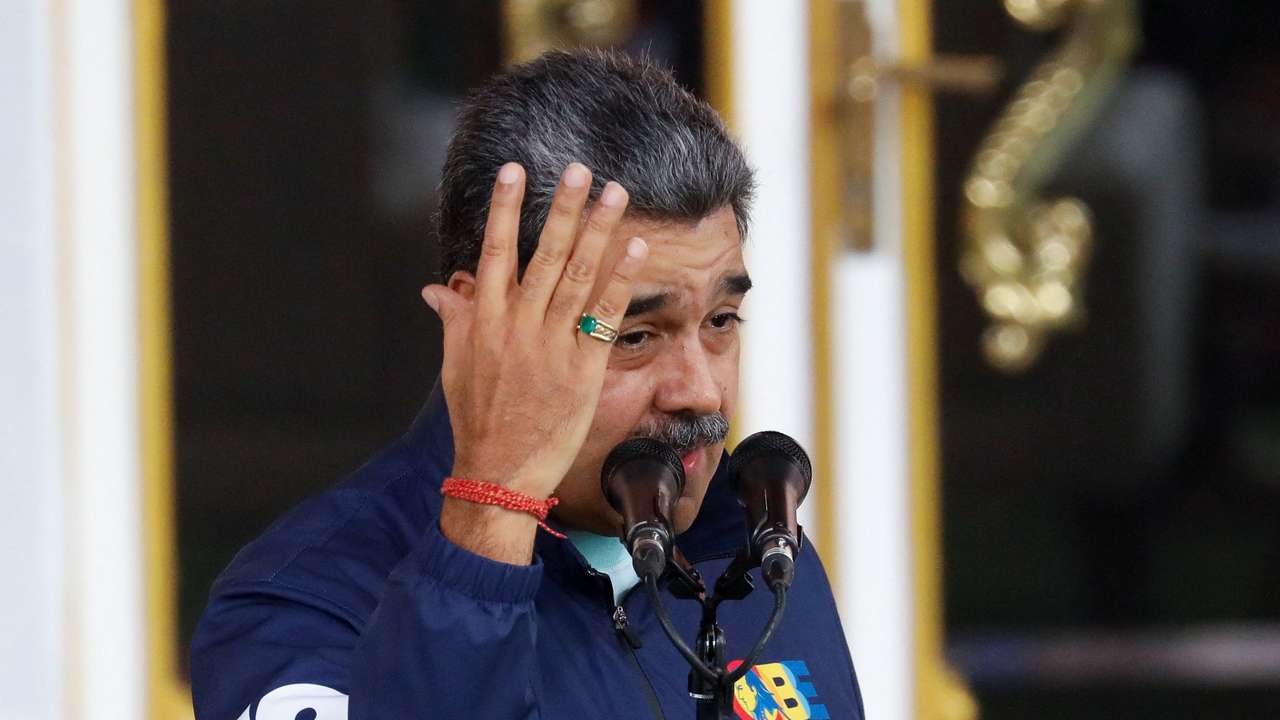
The United States’ decision to designate the so-called Cartel de los Soles as a Foreign Terrorist Organisation (FTO) marks a significant shift in its approach toward Venezuela.
Until now, Washington had relied mainly on sanctions and financial pressure, including an earlier “Specially Designated Global Terrorist” (SDGT) status. The new FTO classification goes further, placing the group, which U.S. authorities say is led by senior figures in Nicolás Maduro’s government, within a legal and security framework traditionally reserved for organisations considered direct threats to U.S. national security.
This step signals a new phase because the FTO designation grants Washington stronger legal tools than previous sanctions allowed. Under this classification, individuals or entities that provide support to the group can face criminal prosecution, and U.S. agencies gain wider authority to freeze assets and pursue actions against those linked to the network. The shift from a financial sanctioning regime to an anti-terrorism framework elevates the confrontation from political disagreement to a security-based dispute.
Venezuela’s response underscores the escalation. Caracas dismissed the designation as a “ridiculous fabrication” and insisted that the Cartel de los Soles does not exist, framing the move as an attempt to justify an “illegitimate and illegal intervention.” The sharp rejection reflects how the new label challenges the legitimacy of senior Venezuelan officials by identifying them, according to Washington, as part of a structure tied to drug trafficking and to other groups already designated as terrorist organisations.
The timing has also fuelled perceptions of a shift. The measure comes at a moment when the U.S. has increased its military presence in the Caribbean and the southern Atlantic, a context noted by observers who see the combination of the FTO designation and regional deployments as part of a more assertive posture. While the label itself does not authorise military action, it expands the legal and political space for the U.S. to act more forcefully, if it chooses to do so.
Taken together, these elements explain why the terrorist designation represents a new phase: Washington has redefined its dispute with Venezuela from a diplomatic and economic confrontation to one framed around national and regional security with broader consequences and higher stakes for both governments.
This story is written and edited by the Global South World team, you can contact us here.