World Vision Rwanda's 5-year plan to safeguard 2.5 million vulnerable children
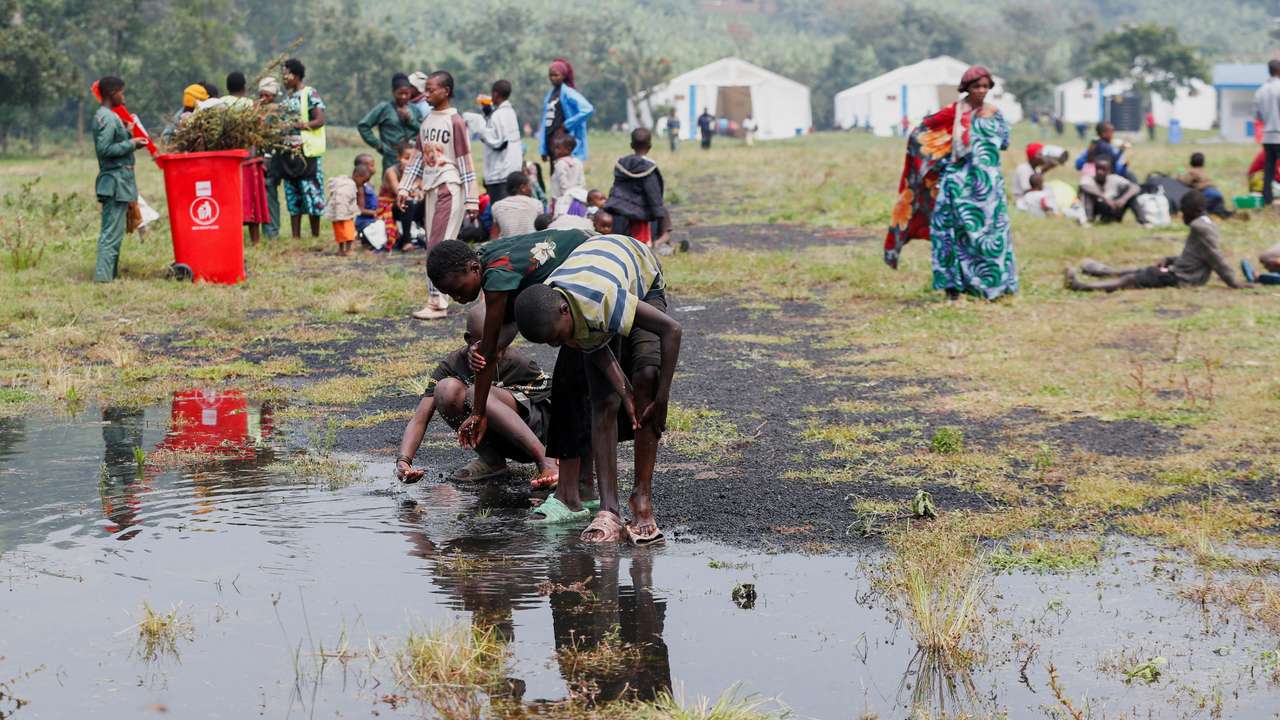
World Vision Rwanda has unveiled a bold new five-year strategy to improve the welfare of 2.5 million vulnerable children across the country by 2030.
This ambitious commitment could shape Rwanda’s social support landscape for years to come. The plan, launched at a national event attended by government and development-sector representatives on December 1, outlines a comprehensive framework for child welfare, health, education, and community resilience.
Amid rising global economic and humanitarian pressures, including climate shocks, food security threats, and the lingering effects of the COVID-19 pandemic, the organisation says the new plan aims to reach those still left behind: vulnerable children, their families, and communities in fragile circumstances.
In practical terms, the strategy promises to ramp up programmes that will protect children from harm and improve their education.
“Our core actions will protect children from harm, strengthen their education, improve their health and nutrition, help families build resilience and support communities to adapt to climate and economic challenges,” emphasised World Vision Rwanda’s National Director, Pauline Okumu.
Rwanda has made remarkable social and economic progress over the past decades, guided by national vision plans such as Vision 2050. But the country still faces structural challenges of poverty, limited rural access to services, inequality, and vulnerability to climate and economic shocks.
In this context, World Vision Rwanda’s strategy could act as a powerful supplement to government efforts, targeting the most vulnerable children who risk being left behind otherwise.
Since beginning long-term, child-focused programmes in the early 2000s, World Vision Rwanda has intervened through water, sanitation and hygiene (WASH), education, child protection, health, nutrition and livelihoods programmes by delivering clean water access to more than 1 million people between 2018 and 2023, and enabling over 678,500 individuals to access livelihood support and financial inclusion services.
This story is written and edited by the Global South World team, you can contact us here.