World’s biggest headcount: India tests new tech for 2027 census
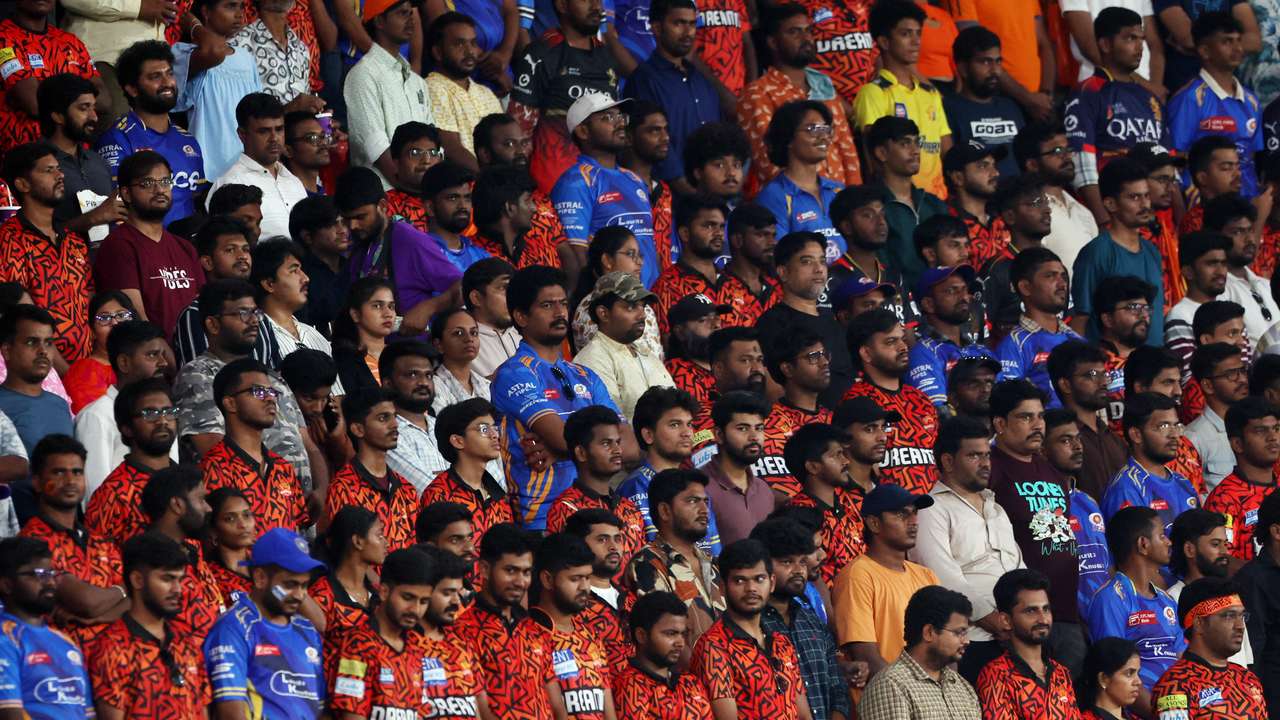
India, the world’s most populous nation, is gearing up for what may be its most complex national task yet: Counting more than 1.4 billion people entirely through digital tools.
Preparations for the 2027 population census have begun, and the government has launched trials of mobile software systems, marking a first step toward transforming the world’s largest census into the world’s first fully digital one of its scale.
India’s last census was conducted in 2011, with the 2021 edition postponed due to the pandemic. Unlike elections, which can run safely in phases over weeks, a census must capture a single moment in time across the entire country.
Achieving that with smartphones, apps, and cloud systems will test the limits of India’s administrative and technological reach.
A 20-day field trial began on November 10 in selected districts of Karnataka. Enumerators are using a mobile app to collect household data, while residents can also self-enumerate via a dedicated web portal.
The Home Ministry says the exercise will determine how well the digital system performs across locations ranging from dense cities to remote villages with patchy mobile networks.
According to the Home Ministry, the digital census will run in two stages: houselisting and mapping from April to September 2026, followed by population enumeration in February to March 2027, with special schedules for snow-bound Himalayan areas.
Enumerators will use their own smartphones, and data will be uploaded in real time to a central Census Management and Monitoring System.
India’s move puts it alongside countries such as the United States, the United Kingdom, Ghana and Kenya, all of which have adopted digital or hybrid census models. But none have attempted it at India’s scale.
The system will support English, Hindi and more than 16 regional languages, geo-tag every building, and ask detailed questions on migration, such as birthplace, last residence, duration of stay and reasons for moving.
Digitisation is intended to fix long-standing problems that plagued earlier paper-based counts, particularly the years-long delay in processing data. Officials say real-time uploads could allow provisional numbers within 10 days and final data in under nine months.
But experts warn that the digital shift comes with serious risks, as only about 65% of Indians are online. This has prompted fears that the poorest, most remote and least digitally literate citizens may be undercounted.
This story is written and edited by the Global South World team, you can contact us here.