LIVE: Polls close, vote counting begins in Guinea-Bissau's tense election
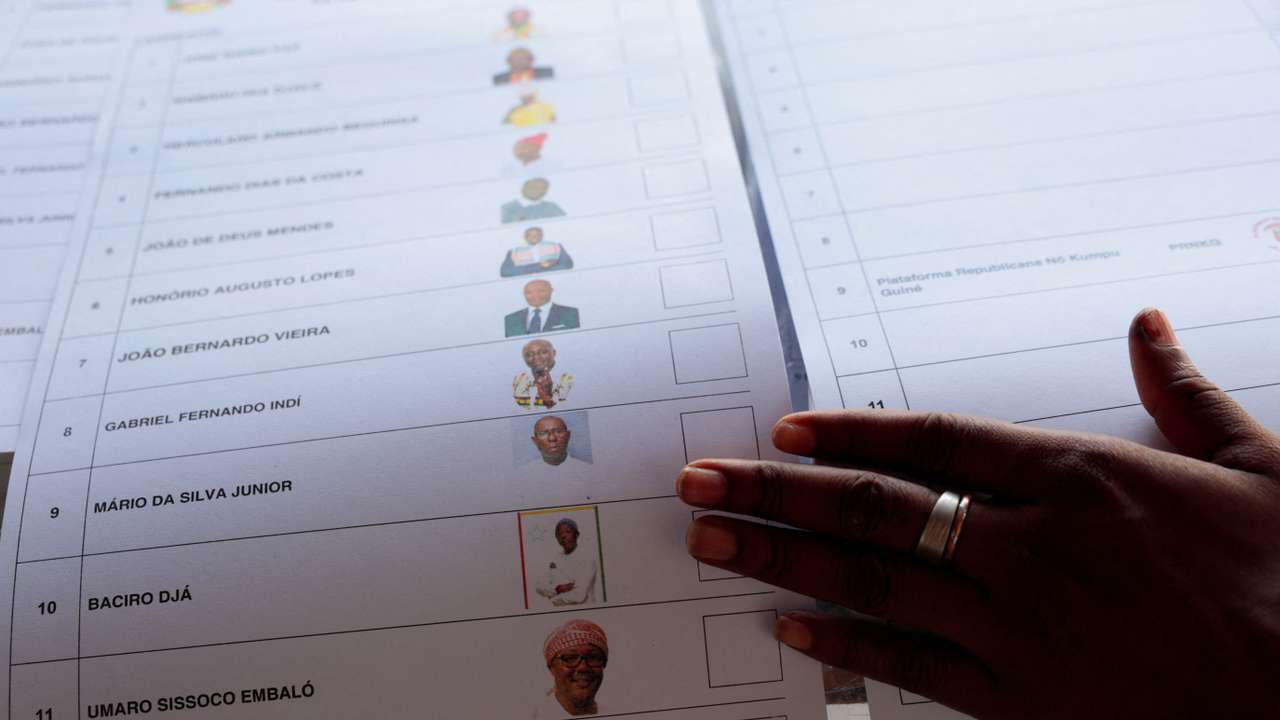
Approximately half of Guinea-Bissau's estimated two million citizens vote in a tense election against the backdrop of several coup attempts, legitimacy concerns and reports of a "once again" booming cocaine economy as Umaro Sissoco Embaló seeks to become the first sitting president to win a second term in 30 years.
LIVE UPDATES
This concludes our live coverage of Guinea-Bissau's 2025 general elections. With fierce competition between the candidates, counting is underway to determine the country's next president. Polling stations opened at 0700 GMT and are expected to close at 1700 GMT. Provisional results are expected within 48 hours. Follow Global South World for continued updates about Guinea-Bissau post-election.
18:15 GMT: Polling stations end voting processes, counting begins
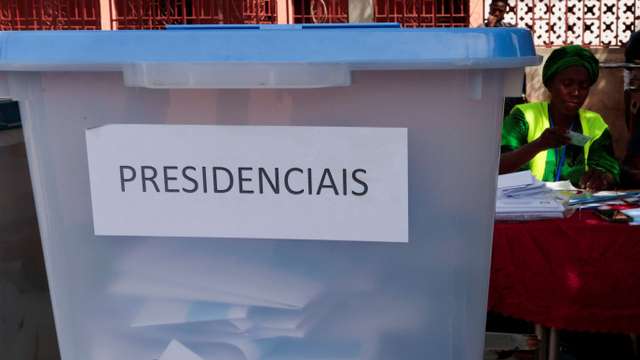
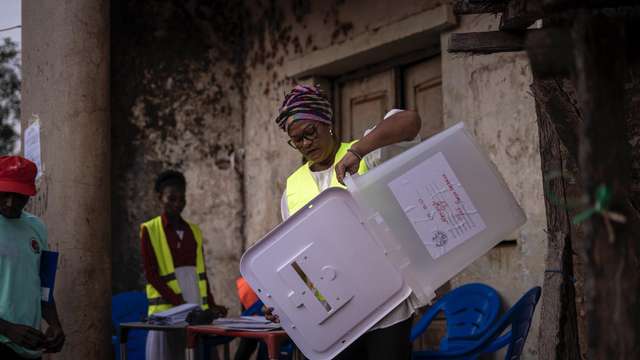
After 10 hours of voting, Guinea-Bissau has officially closed its polls, and counting is currently underway.
16:32 GMT: Mozambique's Philip Nyusi and Nigeria's Goodluck Jonathan oversee elections
As part of a measure of transparency, the African Union sent its Chief of the Mission of Election Observers, Mozambique's former President, Filipe Nyusi, along with the former President of Nigeria, Goodluck Jonathan, to monitor the ongoing elections.
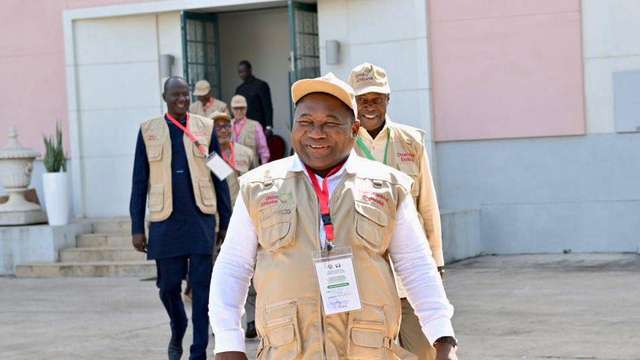
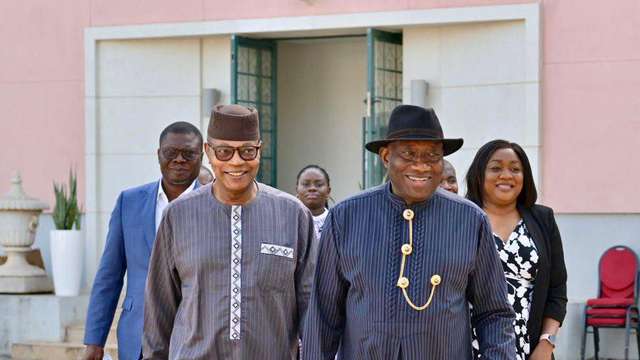
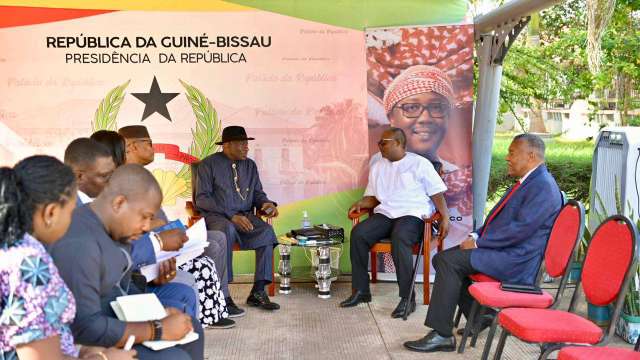
Filipe's inclusion, however, is being questioned due to the belief that he ruled as Mozambique's president through fraudulent electoral means.
12:40 GMT: “Bissau-Guineans want only solutions and not slogans”
Journalist Samba M. Baldé, explains in an interview with Global South World, that, despite the many campaign messages spread by the various candidates, the citizens need practical solutions to their problems.
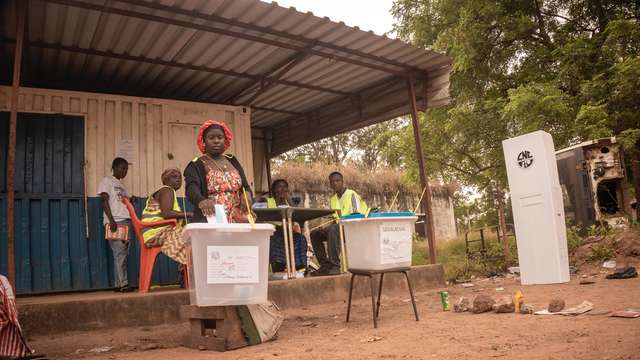
11:51 GMT: Voting continues in Guinea-Bissau
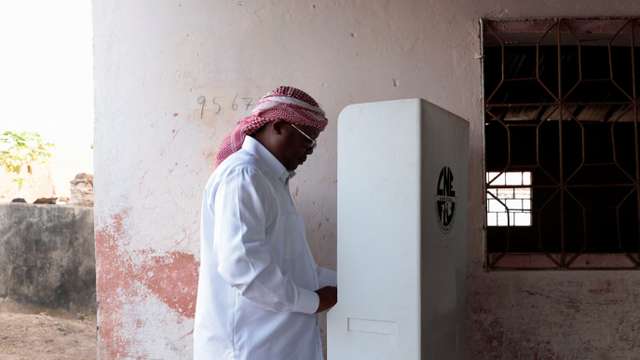
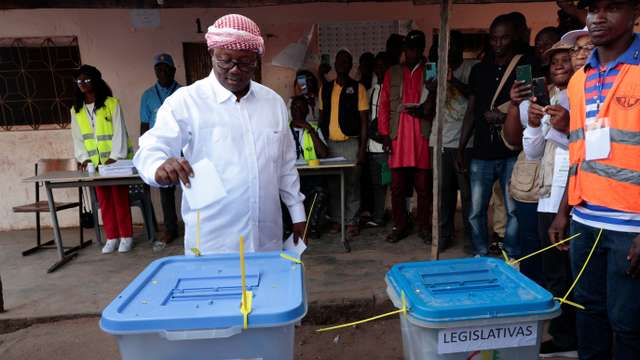
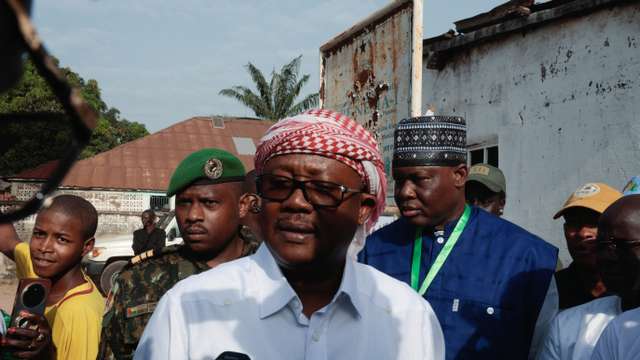
10:34 GMT: Incumbent President Umaro Sissoco Embalo votes
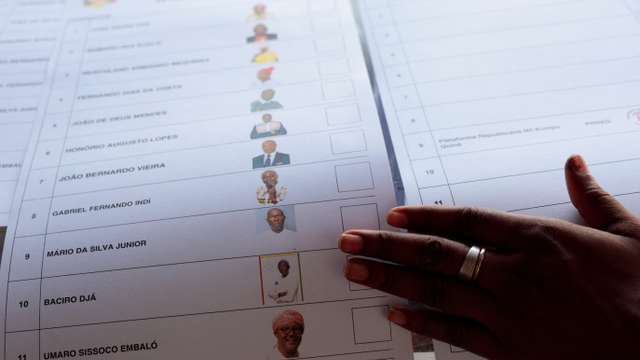
President Umaro Sissoco Embalo cast his vote this morning at a polling station in Umaro Djabula in Gabu. The president is seeking to make history as the only president to be given a second term in 3 decades.
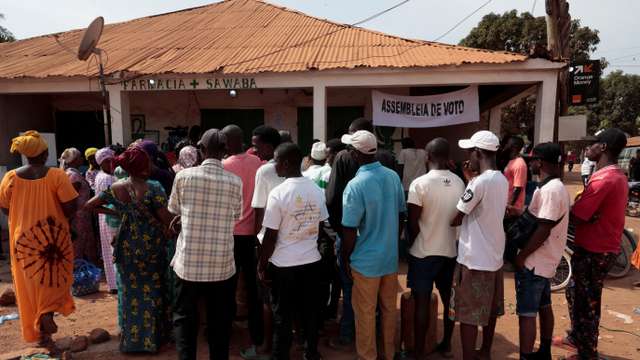
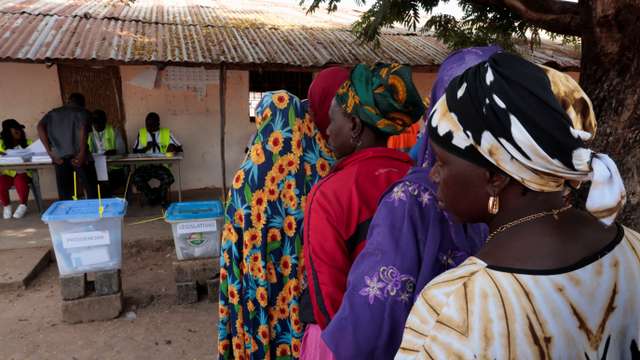
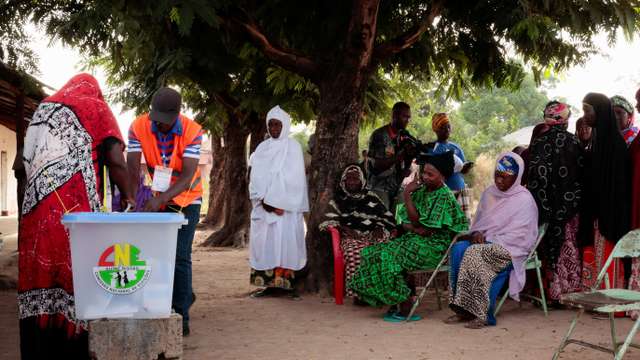
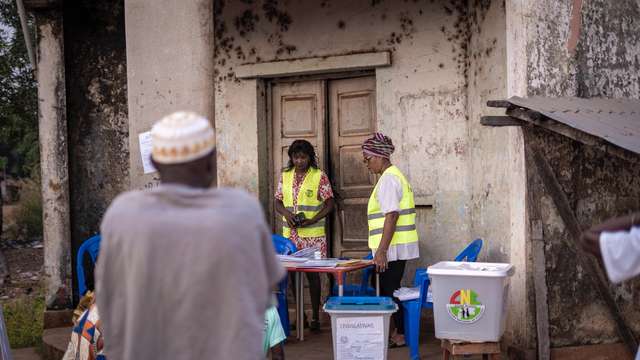
9:47 GMT: People queue to vote in Mansôa
Bissau-Guineans in Mansôa are taking turns in casting their votes. Fernando Dias is expected to vote in this town. Citizens, however, remain committed to their desire to have a different economic climate and hope the results reflect that.
What you need to know
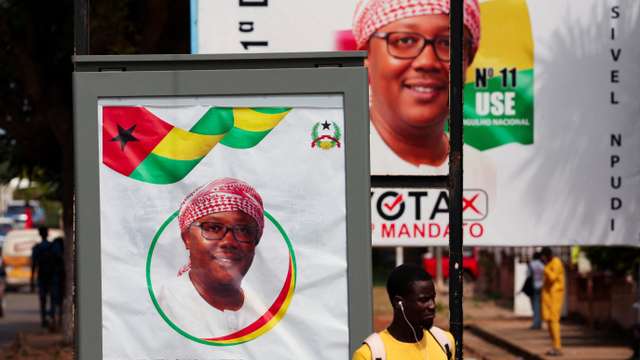
- President Umaro Sissoco Embaló is seeking re-election in Guinea-Bissau’s November 23 presidential and legislative elections, aiming to become the first incumbent in 30 years to win a second term.
- Embalo is competing against 11 other candidates, including Fernando Dias, a relatively new figure in politics. His main challenger, former Prime Minister Domingos Simões Pereira, has been barred from running, strengthening the incumbent’s electoral prospects.
- His tenure has been marked by instability, including several alleged coup attempts. At least nine coups or coup attempts were reported prior to Embalo taking office in 2020. Since then, Embalo claims to have survived three more attempts.
- The most recent coup was reported last month, when the army announced yet another foiled coup plot involving senior officers, including the director of a military training school, Brigadier General Dahaba Nawalna, Commanders Domingos Nhanke and Mario Midana, who were arrested in Bissau.
- Guinea-Bissau’s armed forces said they disrupted an effort “to subvert the constitutional order” ahead of the election campaign, warning that the plot threatened peace, stability and foreign investment.
- Embaló has faced ongoing questions about his legitimacy. Opponents argue he never won the 2019 race and say he has overstayed his constitutional mandate. The opposition claims his term ended in February, while the Supreme Court says it ends September 4.
- He dissolved parliament after clashes in 2023, and the country has been without a functioning legislature since.
- Guinea-Bissau remains a key transit hub for cocaine trafficking. In September 2024, authorities seized 2.63 tons of cocaine from a plane arriving from Venezuela.
- The Global Initiative Against Transnational Organised Crime reported in August that the country’s cocaine trade “is booming once again” and may be more profitable than ever.
- Embaló cites economic progress, pointing to 5.1% projected GDP growth, mineral potential, and a Chevron deal to explore offshore oil blocks.
- If no candidate secures more than 50% of the vote, a runoff will be required.
- About 860,000 people are registered to vote in the election.
Candidates
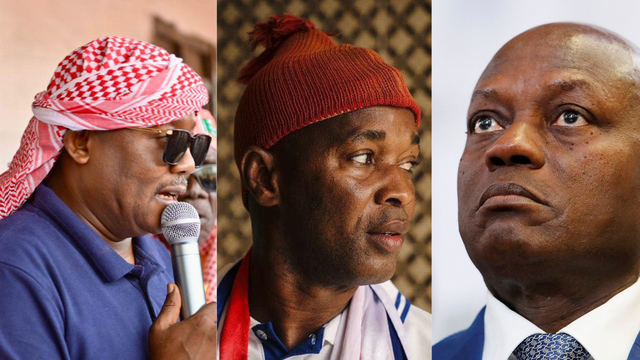
Embalo is competing against 11 other candidates, including Fernando Dias, a relatively new figure in politics.
Right at his heels is 47-year-old Fernando Dias, backed by a powerful figure from the disqualified opposition leader, Domingos Simões Pereira, of PAIGC. This party led the country to independence in 1973.
Other contenders on the ballot include José Mário Vaz, who served as president from 2014 to 2020 and became the first post-independence leader to finish a full term. Baciro Dja, 52, a former defence minister who briefly occupied the prime minister’s office twice under President Vaz, first in 2015 and again in 2016.
Also in the race is 48-year-old Joao Bernardo Vieira, the namesake and nephew of Guinea-Bissau’s longest-serving president, who held power for most of the years between 1980 and 1999 and returned to office from 2005 to 2009.
The polls are expected to open at 7:00 am GMT and close at 5:00 pm GMT.
What citizens expect
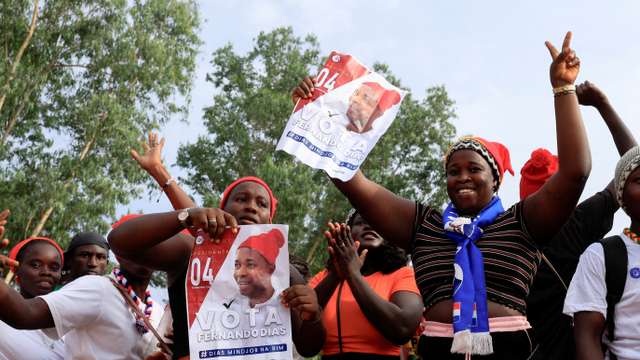
During a conversation with Global South World's Abigail Johnson Boakye, a Bissau-Guinean journalist, Samba M. Baldé, shared that despite the hype around the upcoming elections, electorates seem to be less engaged as they are tired of slogans or manifestos and want real solutions.
"Engagement exists, but it's uneven because voters react to something that has certain benefits than to only promises, because for voters, when candidates fail to translate to voters their proposals into real impact or how they can really impact society, public interest quickly drops. ...But people are, for example, no longer satisfied with slogans. They want clear plans and measurable results in Guinea-Bissau," Samba said.
This story is written and edited by the Global South World team, you can contact us here.